Tree Removal in Fulshear, Explained Step by Step
Request a tree removal estimate
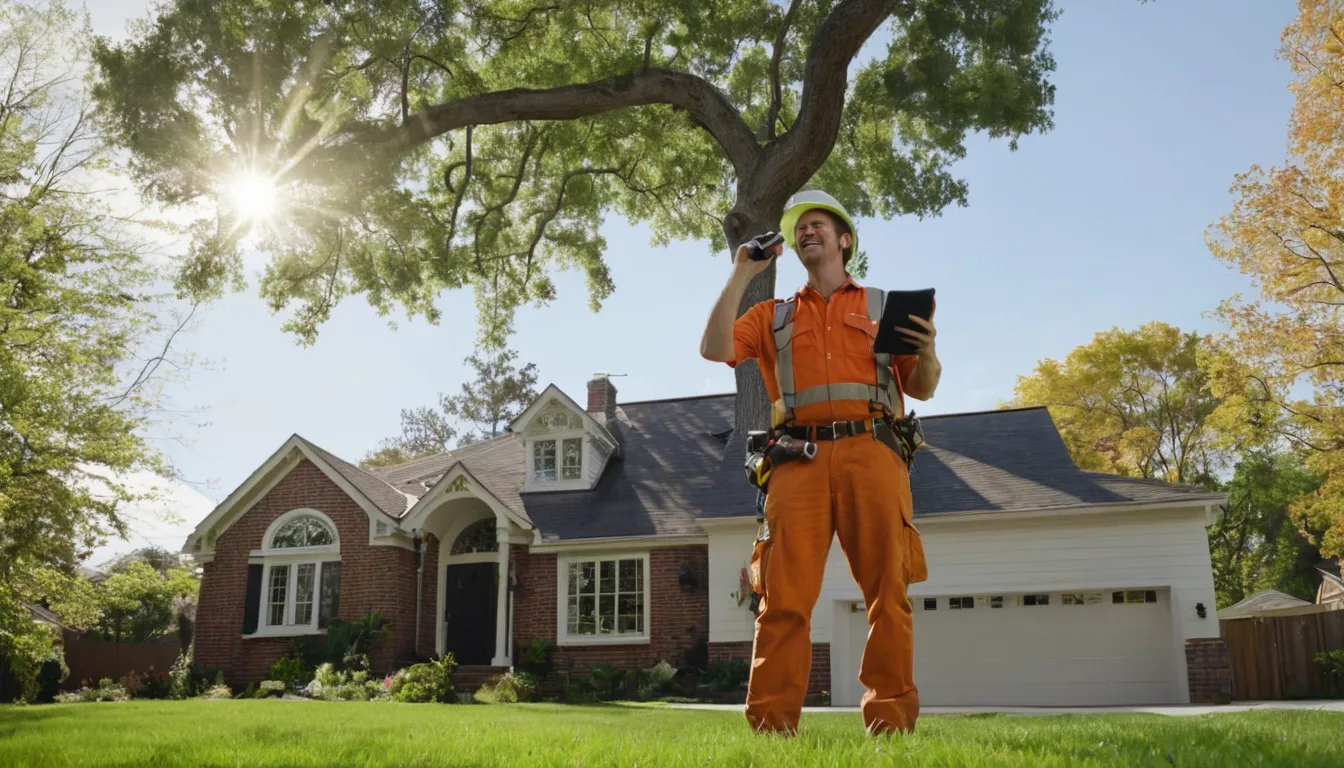
A tree that leans, cracks or drops big limbs can keep you up at night. It is normal to feel unsure. You may not know if the tree can stay, what removal involves, or who to ask. This page lays out the choices in plain words so you can decide at your own pace.
Chainmoving Tree Service is a referral service. We do not cut or haul trees. We connect homeowners in Fulshear, TX and the Fulshear area with independent local providers in our network. The provider visits, looks at the tree, and gives you a written quote. You compare, ask questions, and choose. There is no obligation to hire anyone, and you stay in charge the whole way.
A Tree Worry Is Easy to Carry Around
A tree that leans, sheds limbs or looks sick can sit on your mind for weeks. You are not alone in that. Most homeowners just want to know what comes next. This page walks you through it, one calm step at a time.
First, Check for Danger Signs
Some situations matter more than others. From a safe distance, look for these:
- A tree resting on your house, fence or garage
- A deep crack or split in the trunk
- Roots lifting out of soaked ground
- Large dead limbs hanging over the roof or driveway
If a tree touches a power line, stay far back and contact your utility. If anyone is at risk, contact local emergency services first. Then think about a provider.
Storm Season Changes the Picture
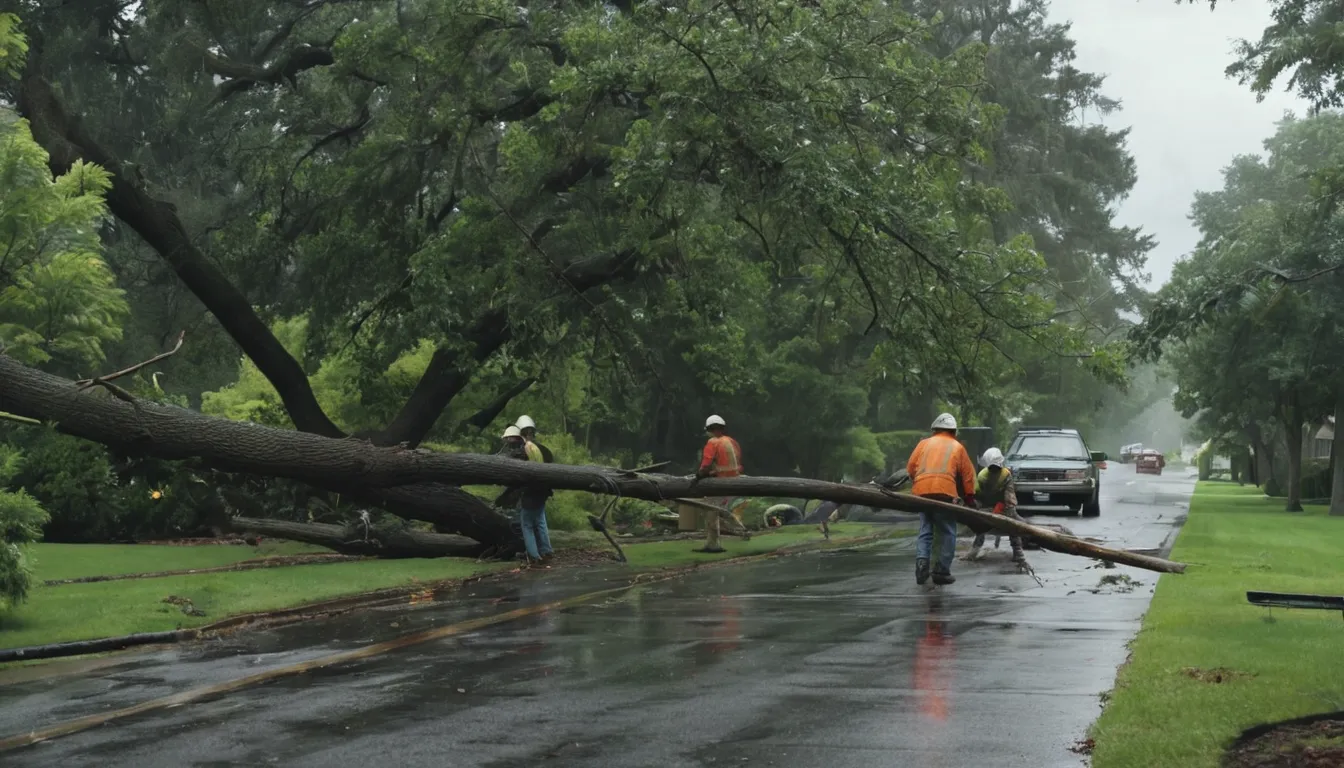
Heavy downpours and tropical storms can loosen soil and snap trunks. Wet ground lets shallow roots slip. After a storm, many providers offer storm tree clearance, and many can respond quickly. Request a callback to check provider availability near you.
Reasons Homeowners Remove Trees
Not every tree needs to go. These are the common reasons one does:
- The tree is dead or dying
- Storm damage left it weak or split
- It stands too close to the slab, roof or pipes
- Roots are cracking a driveway or walkway
- It blocks a pool, addition or other plan
- Disease could spread to nearby trees
When a Tree Can Stay
Sometimes trimming or a closer look is enough. A provider can tell you if a tree is healthy or only needs a little care. Asking about options is not a promise to remove anything. Know your options first.
How Tree Removal Works
The Site Visit
A provider looks at the tree, the yard and what is nearby. They check access for equipment, power lines, fences and your home.
The Written Quote
You receive a written quote. It should say what is included, such as cutting, hauling away wood and cleanup.
The Work Itself
Providers use saws, ropes and sometimes a lift or crane. Tall trees near a house are often taken down in sections. A tree falling service in an open yard can be simpler, because the trunk can be felled in one direction.
What Affects the Price
No two trees cost the same. These things move the number:
- Height and trunk width
- How close the tree is to your house or lines
- Access, such as a narrow gate or a fenced back yard
- The condition of the wood, since dead trees can be risky to handle
- Whether the wood is hauled away
Typical ranges are in the cost table on this page. Always ask for the quote in writing.
Permits and Local Rules
Some cities and neighborhoods have rules for larger or protected trees. A homeowners association may have its own. Ask your city office or HOA before work begins. A provider can often tell you what is usually needed, but you should confirm the rules for your property.
Photos First, Always
Before you ask for estimates, take a few pictures. It makes every conversation easier.
- One wide shot showing the tree and your home
- Close-ups of cracks, dead limbs or lifted roots
- A shot of anything the tree could hit
- A short note with the date and what you noticed
Insurance and Your Records
Some policies may cover sudden damage, like a tree that falls in a storm. Check your policy to see what applies to you. Providers can often help document damage for a claim. Keep your photos, quotes and receipts together in one folder.
Choosing a Tree Removal Provider
Providers in our network are independent businesses. Here is what to ask each one:
- Can I see proof of insurance?
- Is your quote in writing and itemized?
- Does the price include cleanup and haul-away?
- How will you protect my roof, lawn and fence?
It is fine to compare more than one quote.
Getting Ready for Removal Day
A little prep helps things go smoothly:
- Move cars out of the driveway and street area
- Clear patio furniture, toys and hoses
- Keep pets and children indoors
- Tell neighbors who may hear the noise
- Show the provider where sprinklers or buried lines run
In hot, humid weather, keep water handy for anyone helping or watching.
After the Tree Comes Down
Walk the yard with the provider and check that the plan was followed. A stump usually stays behind, so ask what the quote covered. Stump grinding is a separate job with its own page. Once the ground settles, you can fill the space, add grass, or plant a new tree in a milder season.
Your Calm Next Step
You do not have to decide today. Gather your photos, write down your questions, and ask for a quote. Request a callback to check provider availability, or use the request form.
What's Included
Site Visit and Review
A local provider looks at the tree, the yard and nearby structures before suggesting a plan.
Careful Cutting
Trees near homes are often lowered in sections so roofs, fences and lawns stay protected.
Haul-Away and Cleanup
Many quotes include removing limbs and wood chips. Ask what is covered before you say yes.
Written Quotes
You get the scope and price on paper, so you can compare providers without pressure.
Typical Tree Removal Cost Ranges
These are typical U.S. ranges. Your price depends on tree size, access, condition and what is included. Use them as a rough guide, then ask each provider for a written quote.
| Item | Typical range | Notes |
|---|---|---|
| Small tree, under 30 ft | $150 – $650 | Easy access keeps the price down |
| Medium tree, 30–60 ft | $500 – $1,500 | Trunk width and nearby objects matter |
| Large tree, over 60 ft | $1,200 – $3,500 | Often cut down in sections |
| Tree close to house or lines | $1,000 – $4,000 | Extra care and rigging add time |
| Crane or lift added | $500 – $2,000 | Used when climbing is not safe |
| Wood haul-away and cleanup | $100 – $500 | Sometimes already part of the quote |
How It Works
Take Photos First
Snap wide and close-up pictures of the tree, the damage and anything nearby.
Send Your Request
Share your address and a short note about the job. Request a callback to check provider availability, or send the request form.
Compare Written Quotes
Independent local providers visit, then send scope and price on paper.
Choose and Schedule Work
Pick the provider that fits, confirm the details, and set a date.
Why Call Chainmoving Tree Service
Options First
Learn when a tree can stay and when it should go before anyone starts work.
Clear Quotes
Independent providers put scope and price in writing so you can compare.
Organized Records
Photos and notes help estimates and any insurance conversation go smoothly.
No Pressure
Asking for an estimate is only gathering information, with no obligation.
Other Services
Need tree removal in Fulshear?
Questions about a tree, a stump or storm damage? Send a request or email contact@chainmoving.garden, and a local provider in our network can follow up.
No obligationTree Removal FAQ
How do I know if a tree needs to be removed?
Warning signs include dead limbs, deep cracks, leaning that is new, mushrooms at the base, or roots lifting after rain. A local provider can inspect the tree and tell you whether it can stay or should come down.
How much does tree removal usually cost?
Typical U.S. prices run from a few hundred dollars for a small tree to several thousand for a large one near a house. Size, access and cleanup change the total. Get a written quote.
Do I need a permit to remove a tree on my property?
It depends on where you live and the tree's size or type. Some cities and HOAs have rules. Check with your city office or association before work begins. A provider can often explain what is usually required.
Request a callback
Questions about a tree, a stump or storm damage? Send a request or email contact@chainmoving.garden, and a local provider in our network can follow up.
No obligation