Emergency Tree Removal for Fallen and Dangerous Trees
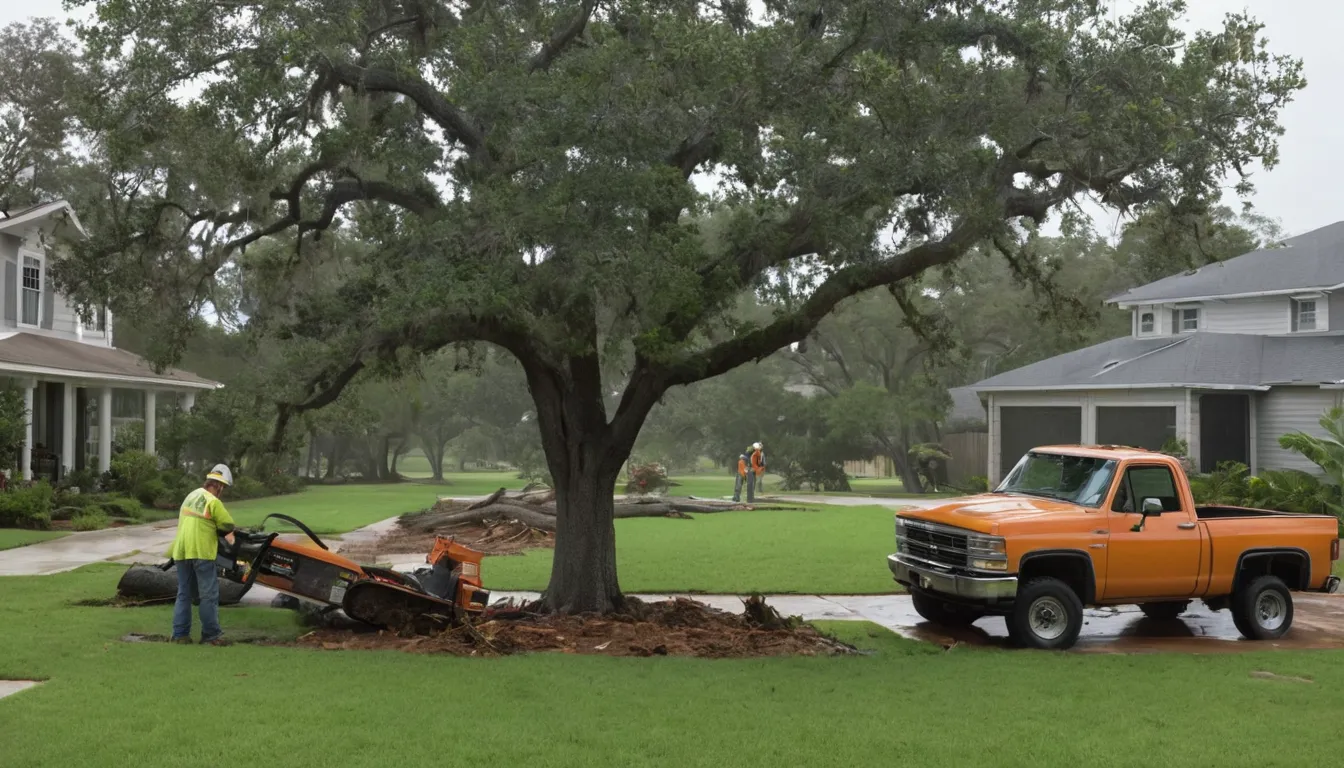
When a tree falls on your yard, fence, roof or driveway, it is hard to think clearly. This page walks you through what counts as an emergency, what to do first and what a local provider may do when they arrive. You do not need to know tree terms. You only need a few photos and a clear picture of what happened.
Chainmoving Tree Service is a referral service. We do not cut or haul trees. We connect homeowners in Fulshear and the Fulshear area with independent local providers in our network. Many providers can respond quickly to storm damage, and they give written quotes you can compare. Read on to know your options before anyone starts work, then take one calm next step when you are ready.
A tree is down, and you are worried
That is a normal reaction. A tree on a roof or across a driveway feels like a big problem. Most of the time, it can be handled step by step. Start with safety, then gather information, then talk to a provider.
Stay safe first
Keep everyone away from the tree and from the area around it. Do not climb on it. Do not try to cut a tree that is under tension, because branches can spring back with force. Keep children and pets indoors.
If you smell gas or hear hissing, leave the home and contact your gas utility or emergency services from outside.
Power lines change everything
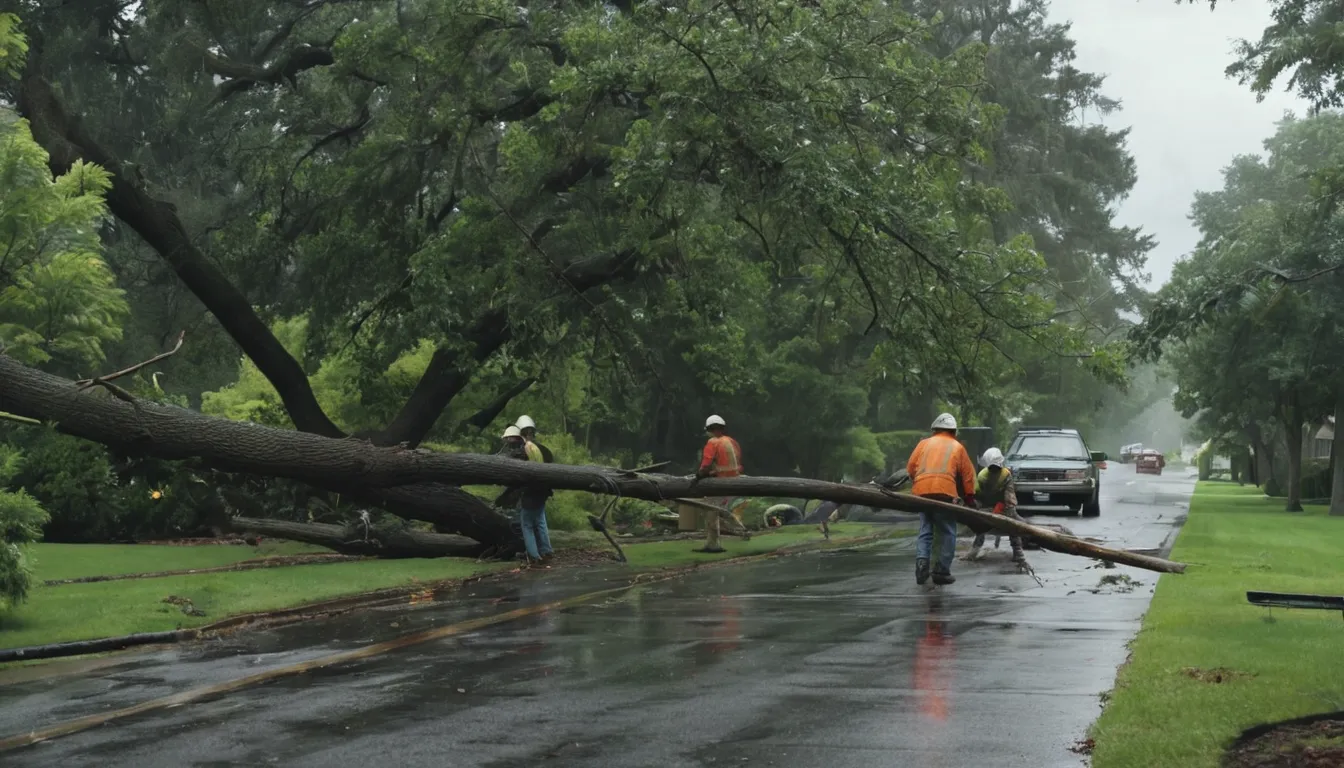
If a tree is touching or tangled in a wire, treat the wire as live. Stay far back. Do not touch the tree, a fence or anything wet near it. Contact your power company or local emergency services first. Independent providers usually cannot work near lines until the utility makes the area safe.
What counts as an urgent tree problem
Some situations call for a quick response from a provider:
- A tree resting on a house, garage or shed
- A tree blocking a driveway or the only way out
- A large limb hanging over a roof or play area
- A tree that is leaning more than it was yesterday
- Soil lifting at the base after heavy rain
What can usually wait a little
Not every tree problem is an emergency. A fallen tree in a back corner of the yard, away from buildings, can often wait for a regular visit. Small broken limbs on the ground are in the same group. If you are unsure, take a photo and ask the provider what they think.
Photos first, always
Before anything is moved, take photos if it is safe to stand back. Get wide shots of the whole tree and close shots of any damage to your home, fence or car. Write down the time, the weather and what you saw. These notes help a provider quote the job correctly. They also help if you talk to your insurer later.
How storm tree clearance works
Storm tree clearance usually follows a simple order. The provider looks at the site and checks for hazards. They decide how to take the tree apart safely. Then they cut it into pieces, lower or move them, and clear the path. Hauling away the wood is often a separate line on the quote, so ask about it.
What the provider may do on arrival
A good provider walks the site before starting. They may point out limbs under strain, wires nearby or ground that is too soft for heavy equipment. They may suggest a temporary step first, such as removing the part that is pressing on the roof. Then they explain the rest of the work and the price.
Know your options
You may be able to choose between a few paths:
- Remove only the part that is causing danger now
- Remove the whole tree and haul everything away
- Cut the tree down and leave the wood for you to use
- Remove the tree now and book stump work later
Each option has a different price and timeline. Ask for them in writing.
Insurance and your paperwork
Some policies may cover sudden damage from a fallen tree, but coverage varies. Check your own policy and talk to your insurer. Providers can often help document damage for a claim with dated photos, written notes and an itemized quote. Keep every receipt and every message in one folder.
After a big storm: what to expect
After a major storm, many homeowners need help at once. Providers may be busy, and roads may be slow. Expect to hear a rough arrival window rather than an exact time. Ask the provider to rank jobs by danger, so a tree on a roof is handled before one in a back yard.
Hot, wet weather and tree trouble
Heavy downpours soften the soil, and tropical storm winds can then push a tree over. Long hot summers also stress trees and weaken limbs. Many homes here have slab foundations or older pier-and-beam frames, so ask the provider how they will protect your roof, yard and any low spots.
Preventing the next storm problem
A little care before storm season goes a long way. Have a provider look at large trees near your house. Ask about trimming heavy limbs and removing dead wood. Watch for fungus at the base, cracks in the trunk and leaves that thin out early. Take dated photos each spring so you have a record.
Questions to ask the provider
A few plain questions can save you stress:
- Will you give me a written quote before work starts?
- Does the price include cleanup and hauling?
- How will you protect my roof, fence and lawn?
- Do you carry insurance, and can I see proof?
- What happens if the job is bigger than expected?
Your calm next step
You do not have to solve this alone. Keep your photos handy, stay clear of the tree and speak with a local provider about the options.
Request a callback to check provider availability in Fulshear, or use the request form to ask for an estimate.
What's Included
Fallen Tree Removal
Providers cut and clear trees that have come down on roofs, fences, cars or driveways.
Hazard Limb Removal
Hanging or cracked limbs over your home can be taken down before they fall on their own.
Storm Tree Clearance
After high winds, providers clear trunks and branches so you can use your yard and driveway again.
Damage Notes
Many providers can help document damage with photos and written quotes for your records.
Typical Emergency Tree Removal Costs
Prices vary by tree size, access, hazards and how fast the job must happen. These are typical U.S. ranges only. Always get a written quote before work begins.
| Item | Typical range | Notes |
|---|---|---|
| Small tree removal | $300 – $800 | Easy access, no buildings in the way |
| Large tree removal | $1,000 – $3,000 | Height, trunk width and location matter |
| Tree on a roof or house | $1,500 – $5,000+ | Needs careful, staged cutting |
| Storm limb removal | $250 – $1,000 | Depends on size and how many limbs |
| Haul-away and cleanup | $100 – $500 | Sometimes already included in the quote |
| Emergency or after-hours rate | $200 – $1,000 extra | Varies by provider and conditions |
How It Works
Stay Back, Stay Safe
Keep people and pets away from the tree, and treat any wire near it as live.
Take Photos
Capture wide and close shots of the tree and any damage, then jot down notes.
Request a Provider
Request a callback or use the form, and share your photos and details.
Review the Written Quote
Compare the scope, price and cleanup, then choose the provider you prefer.
Why Call Chainmoving Tree Service
Clear Options Before Work
You learn what choices you have and what each one involves before anyone starts cutting.
Written Quotes
Independent providers give quotes in writing, so you can compare them calmly.
Local Providers
You are matched with providers who work in your area and know local weather.
Paperwork Help
Simple photo and note tips keep your records ready for estimates and insurance.
Other Services
Need emergency tree removal in Fulshear?
Questions about a tree, a stump or storm damage? Send a request or email contact@chainmoving.garden, and a local provider in our network can follow up.
No obligationEmergency Tree Removal FAQ
What counts as an emergency tree removal?
A tree on your house, across your driveway, tangled in lines or leaning sharply is usually urgent. A tree that fell in a far corner of the yard often is not. Photos help a provider judge.
Should I move a fallen tree myself?
It is safer not to. Fallen trees can be under tension, unstable or touching hidden wires. Chainsaws add more risk. Stay back, take photos and let an experienced local provider handle the cutting and removal safely.
Will my insurance pay for a fallen tree?
It depends on your policy and the damage. Some policies may cover sudden damage, such as a tree falling on a home. Check your policy, contact your insurer and keep photos, notes and a written quote for your records.
Request a callback
Questions about a tree, a stump or storm damage? Send a request or email contact@chainmoving.garden, and a local provider in our network can follow up.
No obligation